
Project
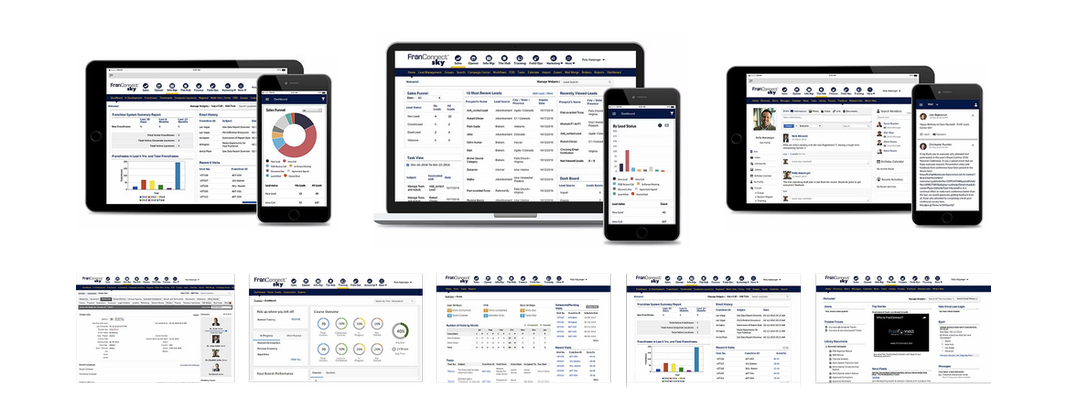
FranConnect was a 20-year-old product when I joined as their first professional designer. The design language was inconsistent, outdated, and impossible to scale. Hard to put an ROI number on "fix the foundation" but the problem was impossible to ignore.
The Ask
Establish a unified design language and build a scalable component library. One system that could serve the core product and whatever came next.

Discovery
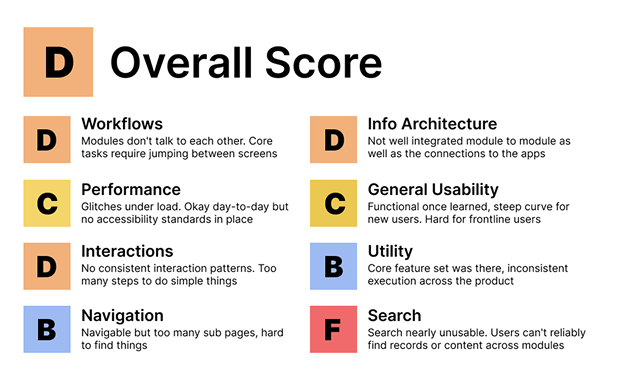
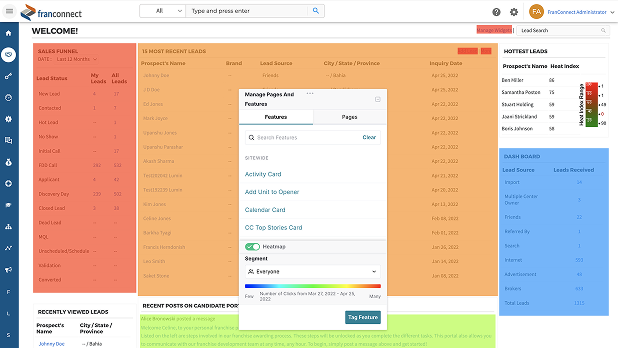
Audited 400+ unique UI components across all products. Found 10 distinct button variants, consistent fonts across modules, different form patterns, and no consistent page layout. The scope of the problem was bigger than anyone had estimated. Nobody was being careless. Teams were solving local problems locally. The system hadn't failed. It had just never existed.
Strategy
Build a shared component library, make it easy to reach for, and let quality drive adoption. New components replace old ones as teams touch existing code. No big-bang rewrite. No mandate. Aspirational on day one, proven over time through better copy + paste components.
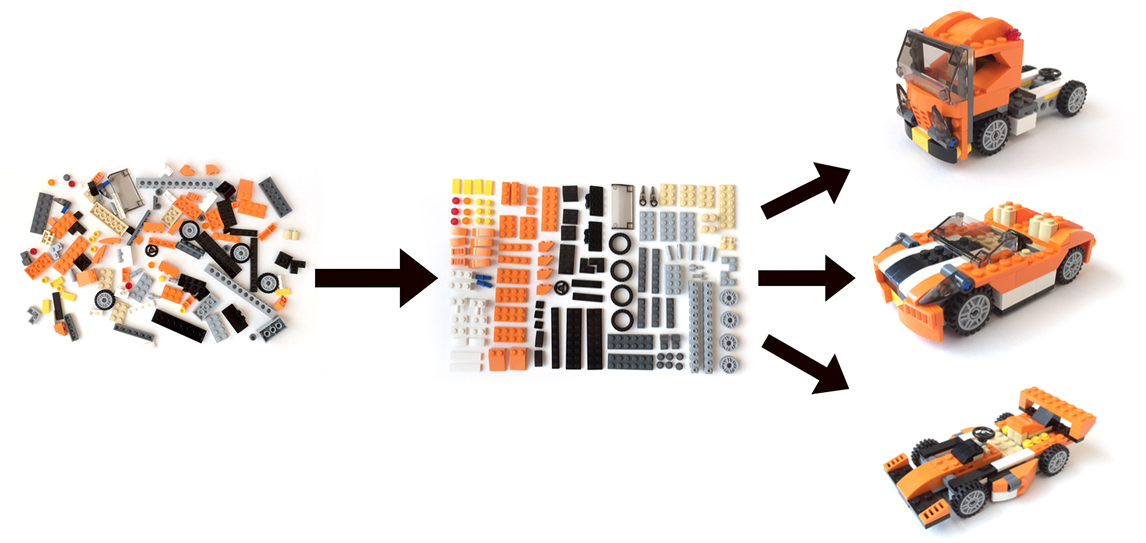
Image credited to Brad Frost’s Atomic Design
Experimentation
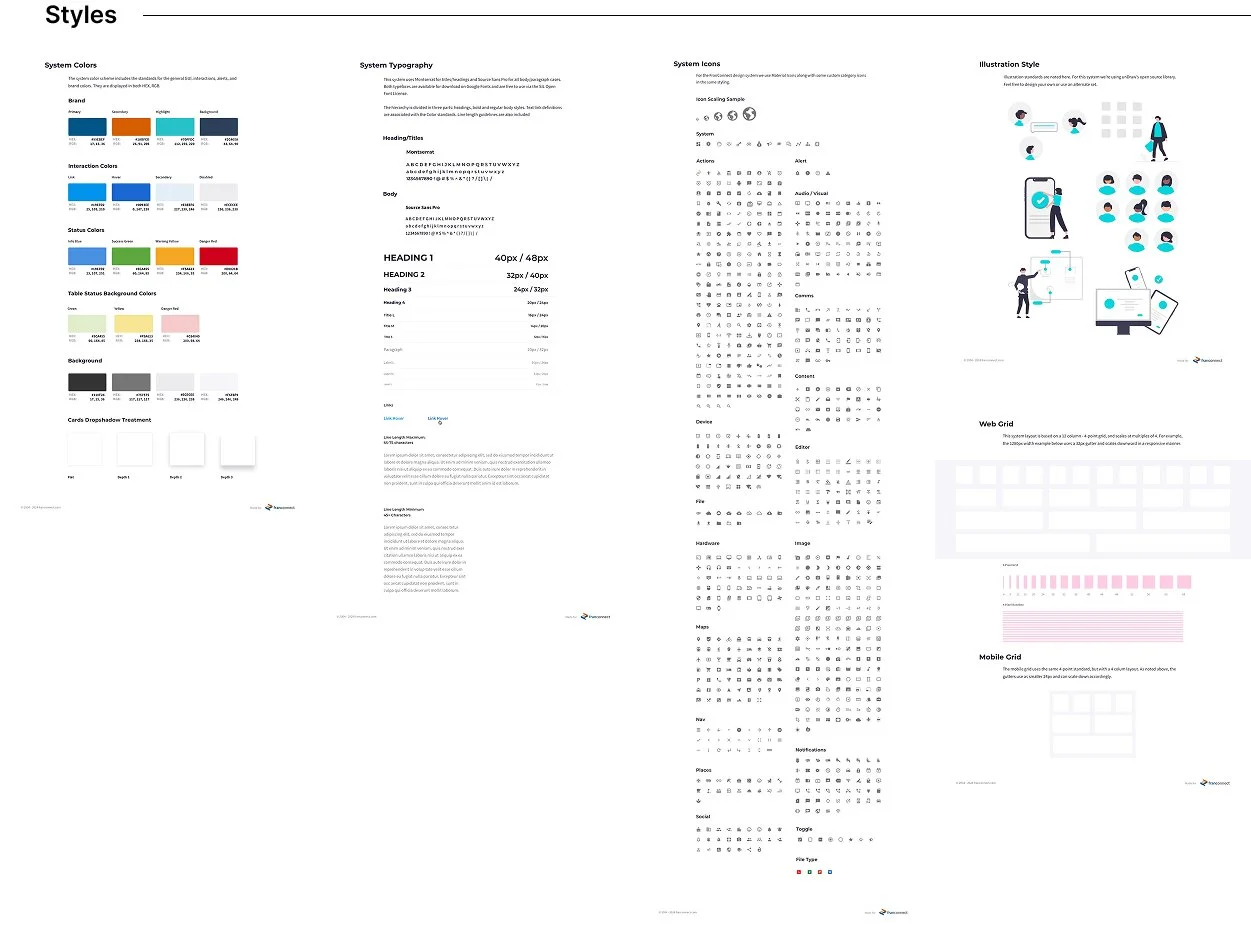
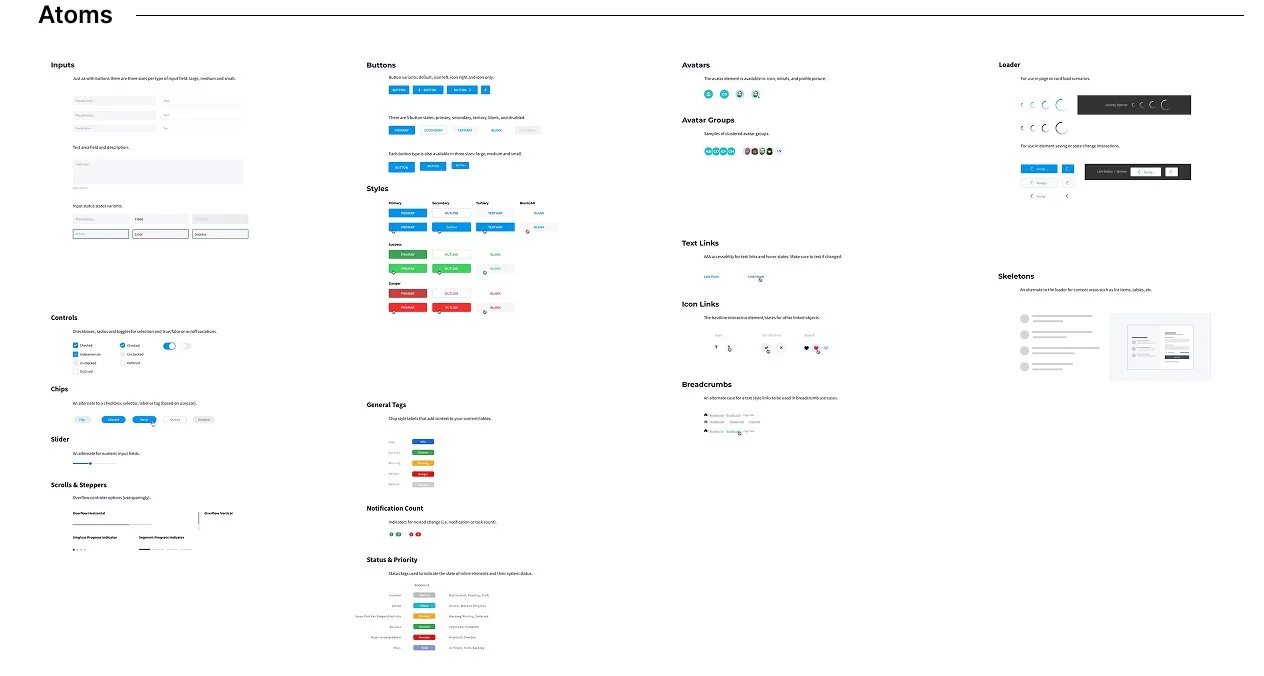
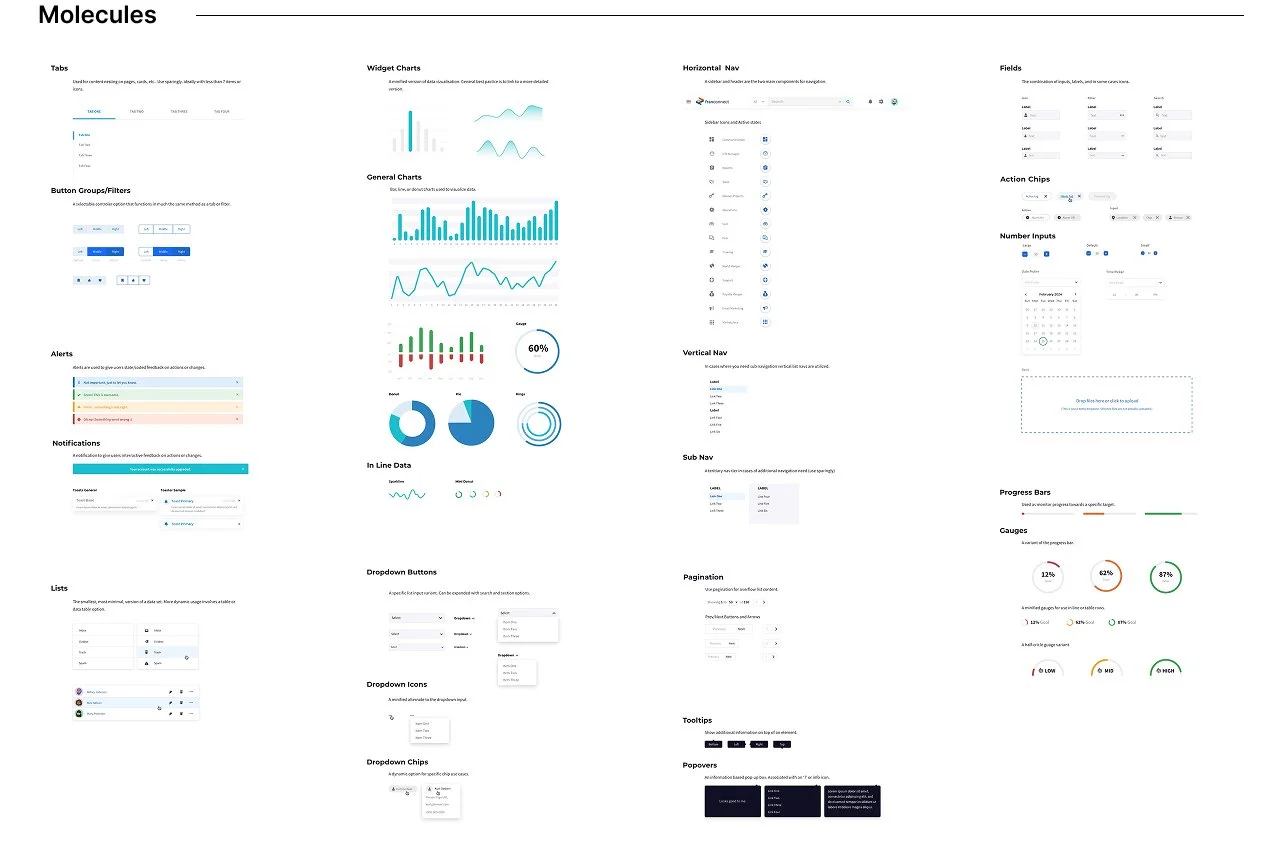
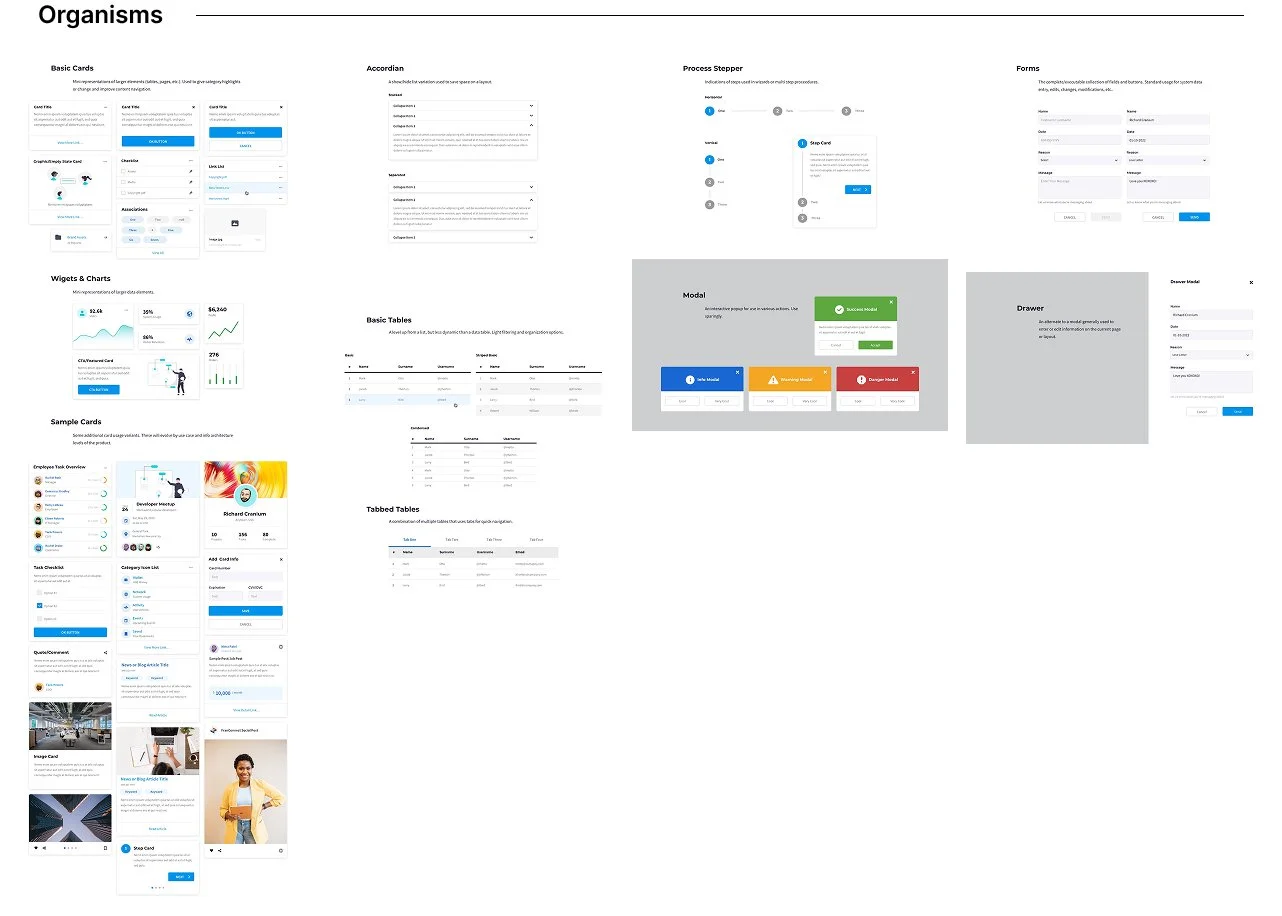
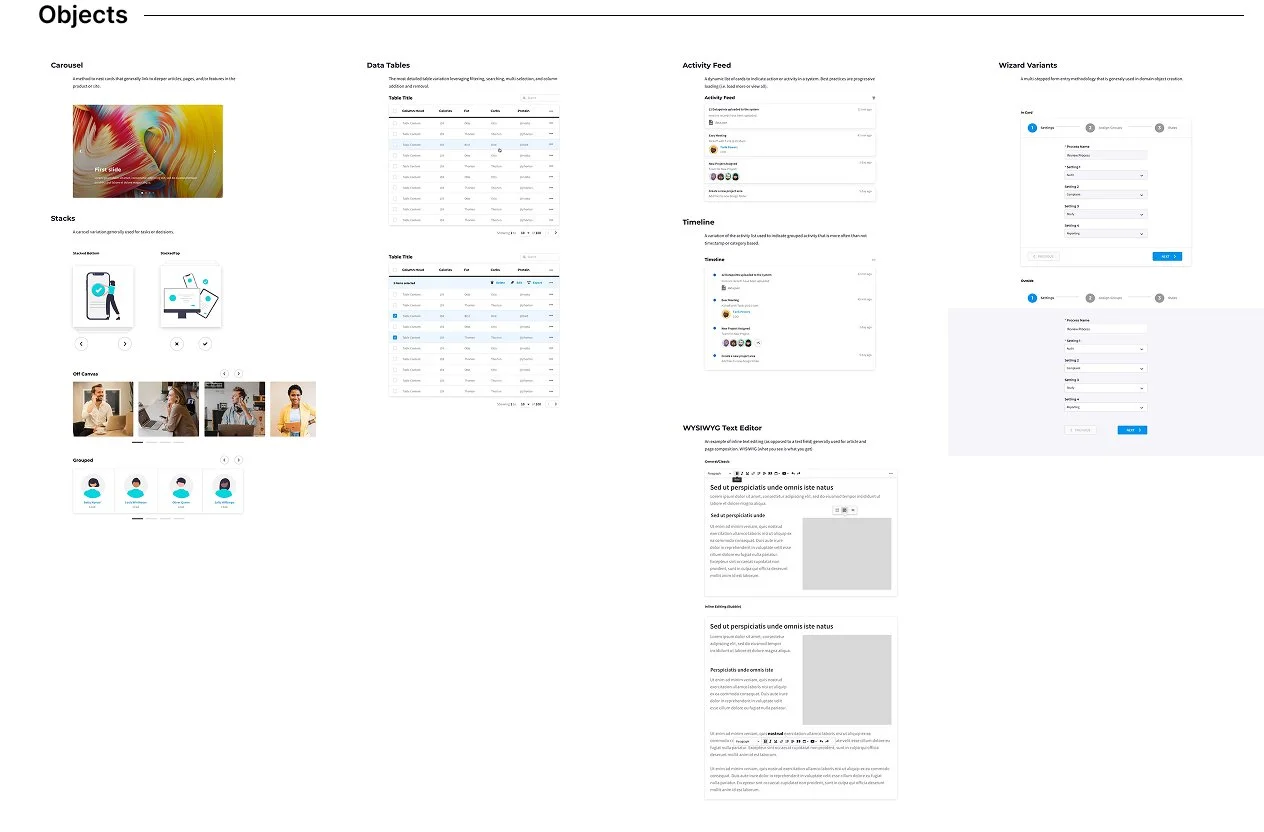
The audit pointed to the fix. Inconsistent patterns meant rebuilding from atoms up. Color, type, spacing, and layout were defined. Started with a Material Design Core as marketing and mobile modules had them in use already. If developers found these components easy to use, the system would spread on its own.
Design
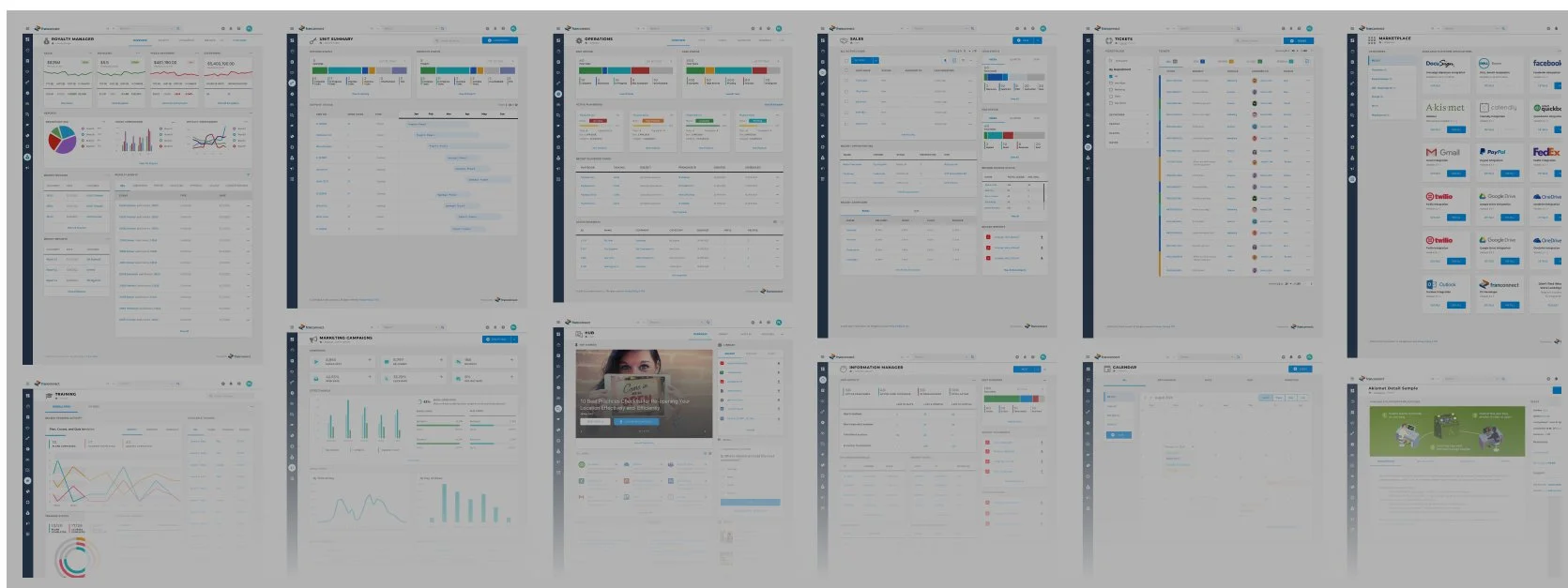
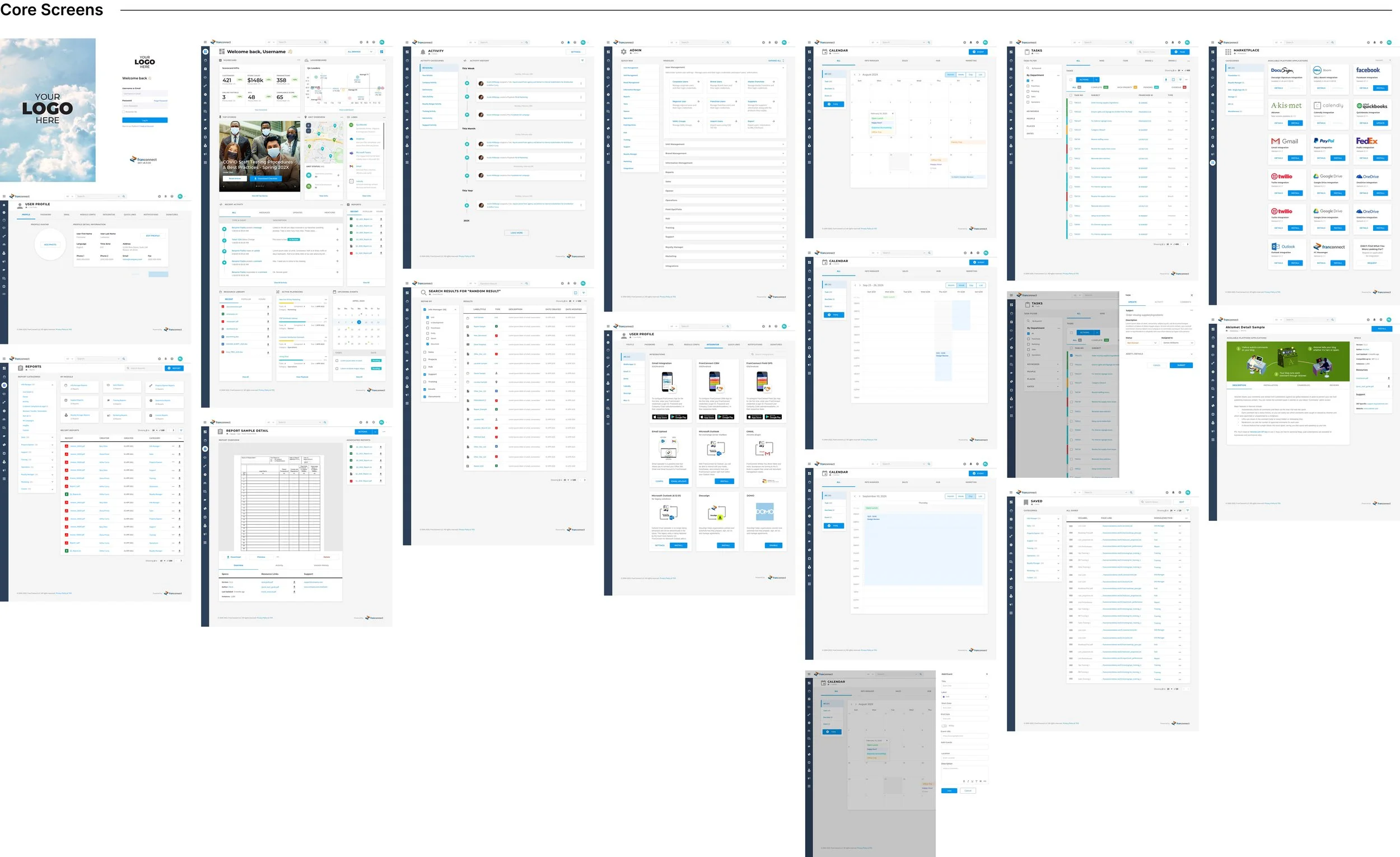
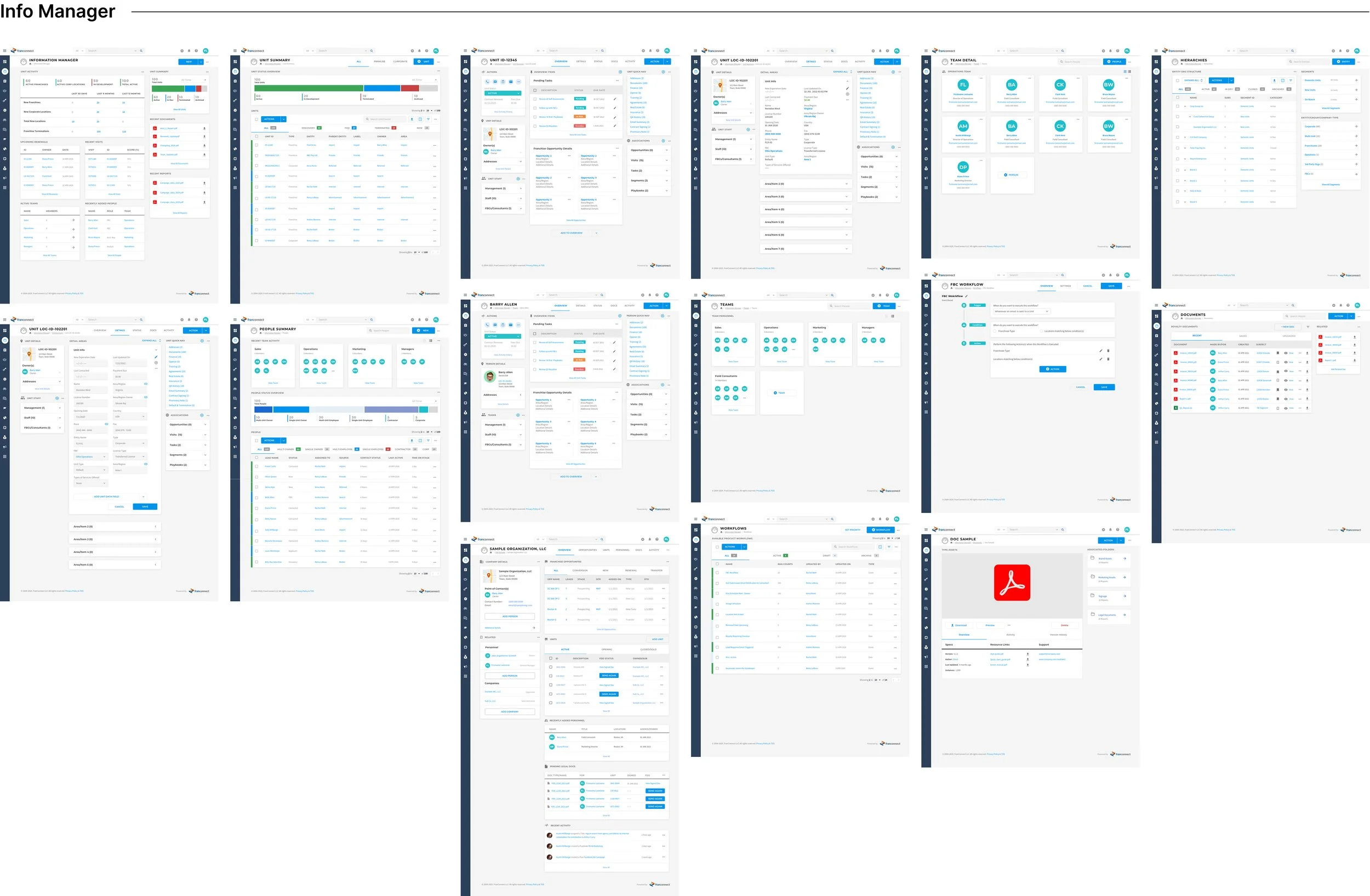
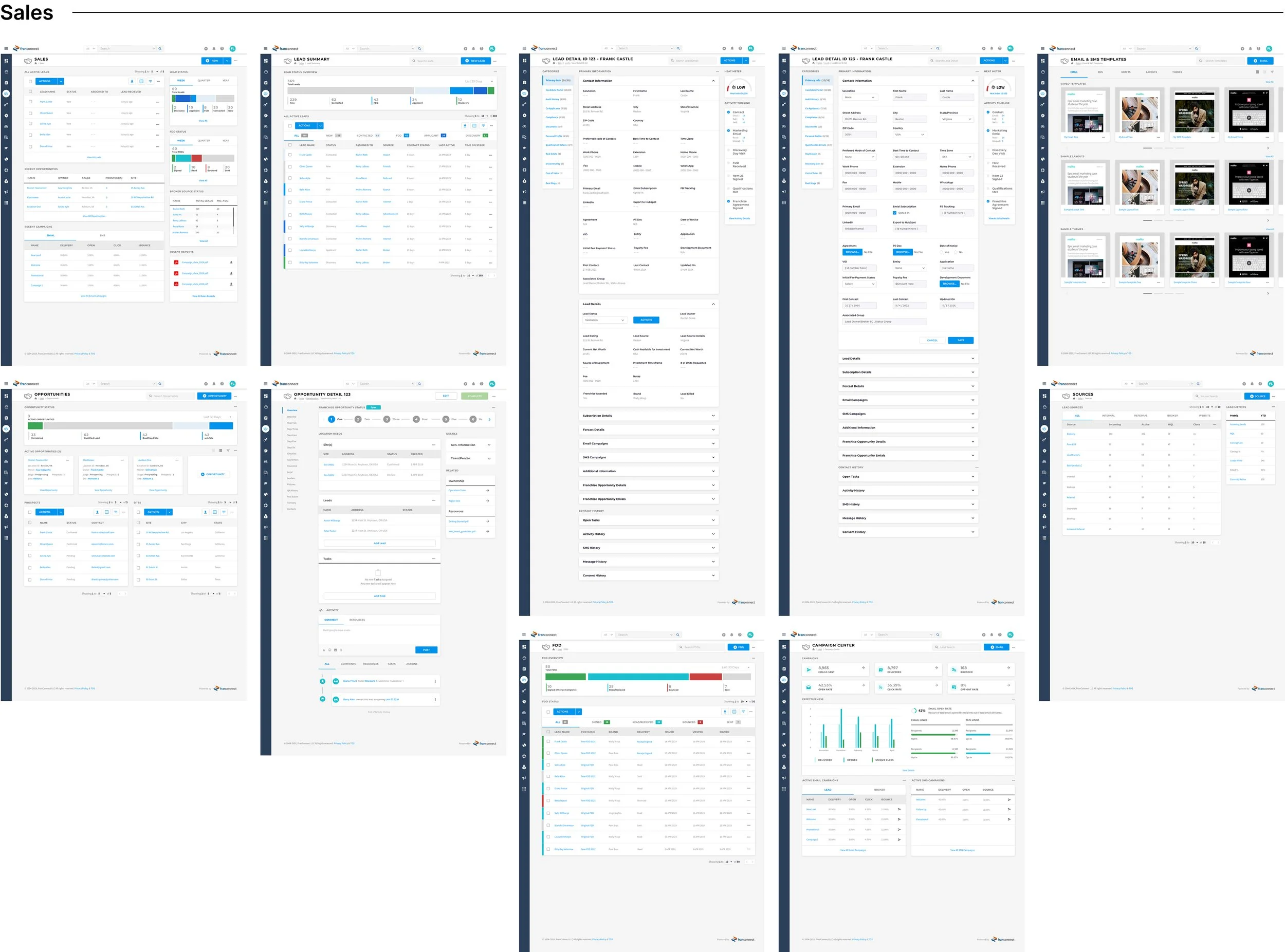
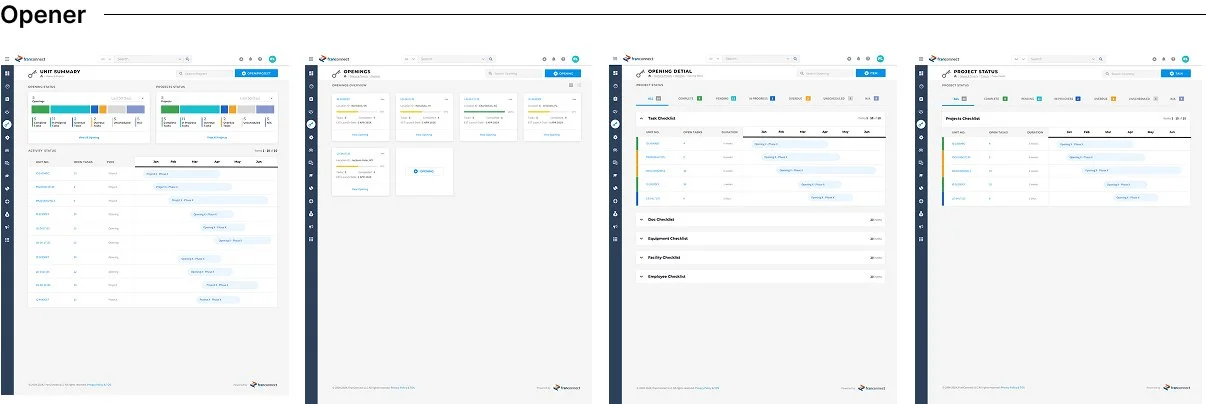
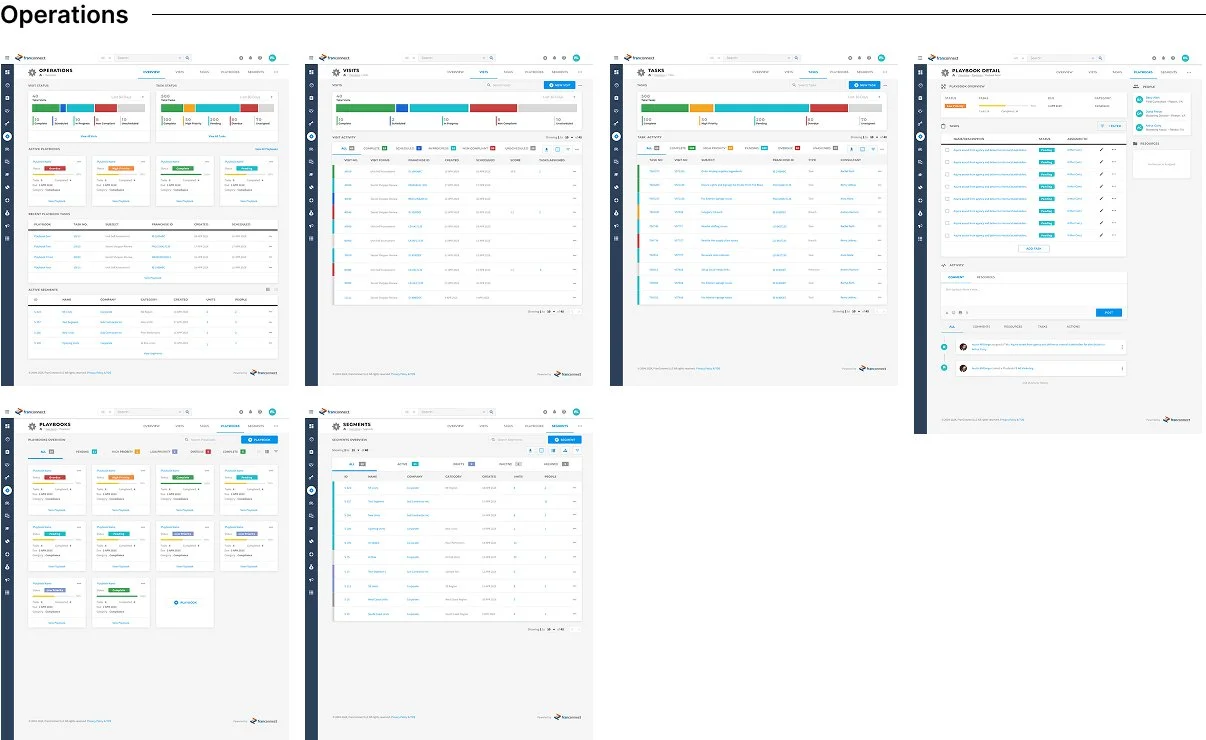
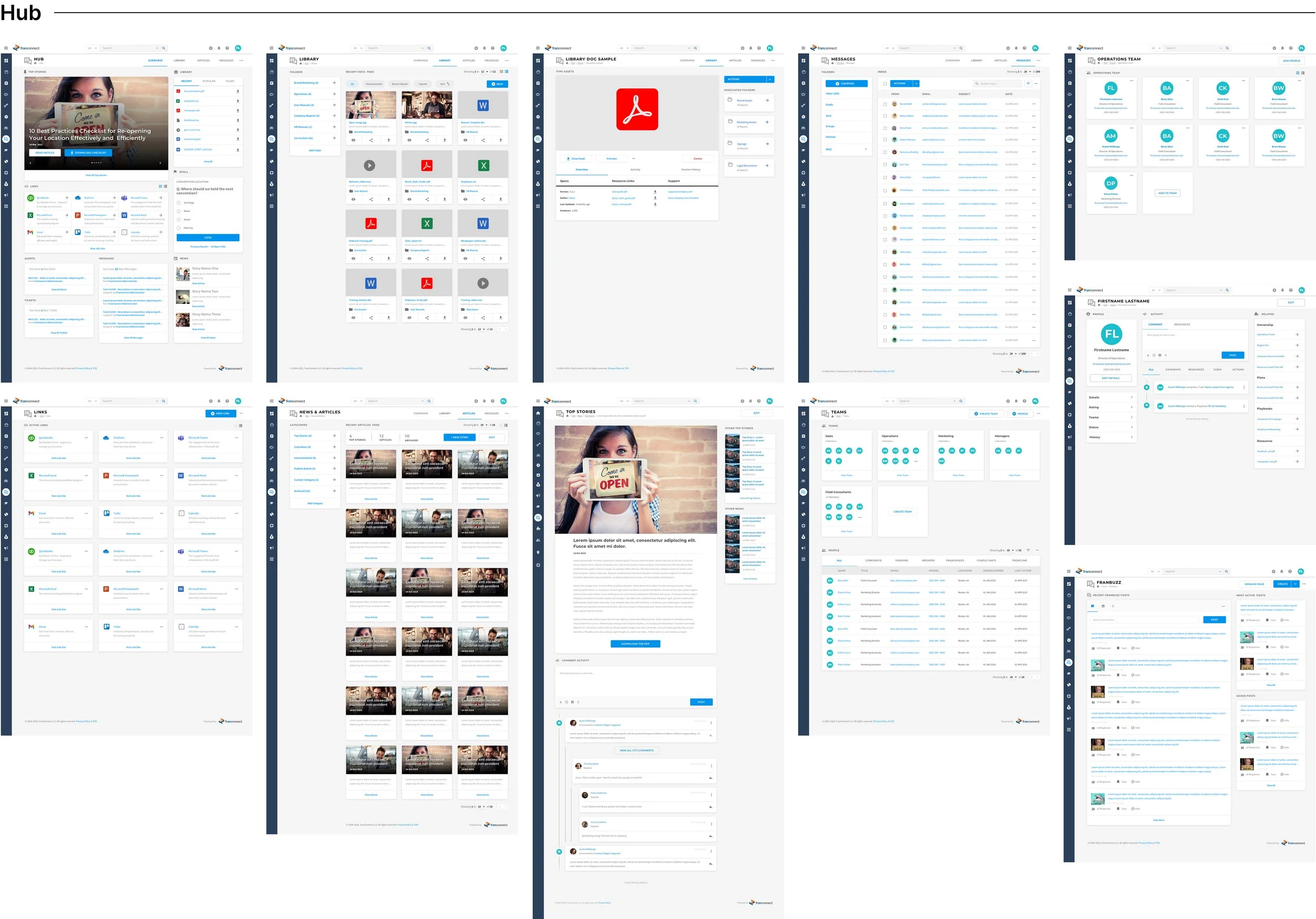
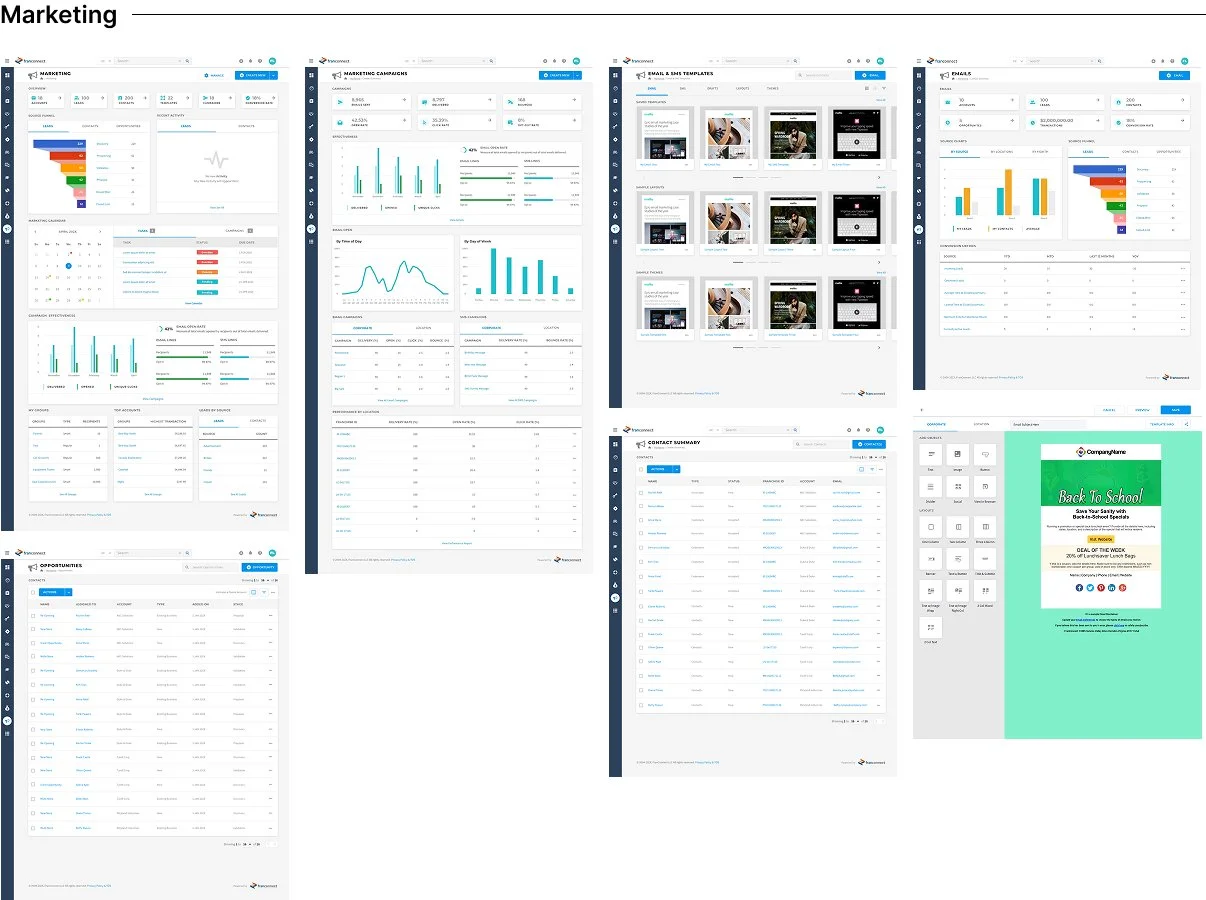
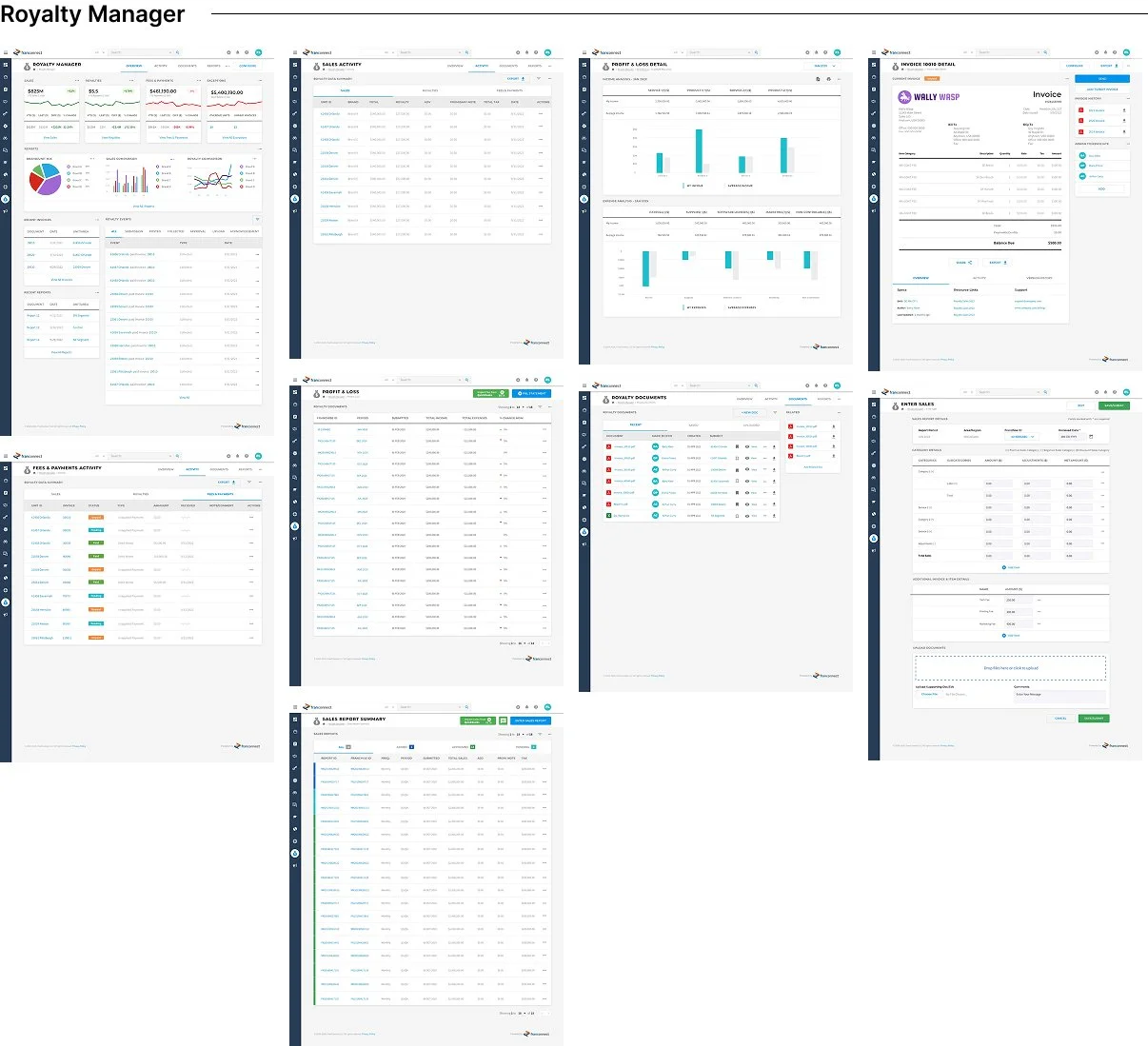
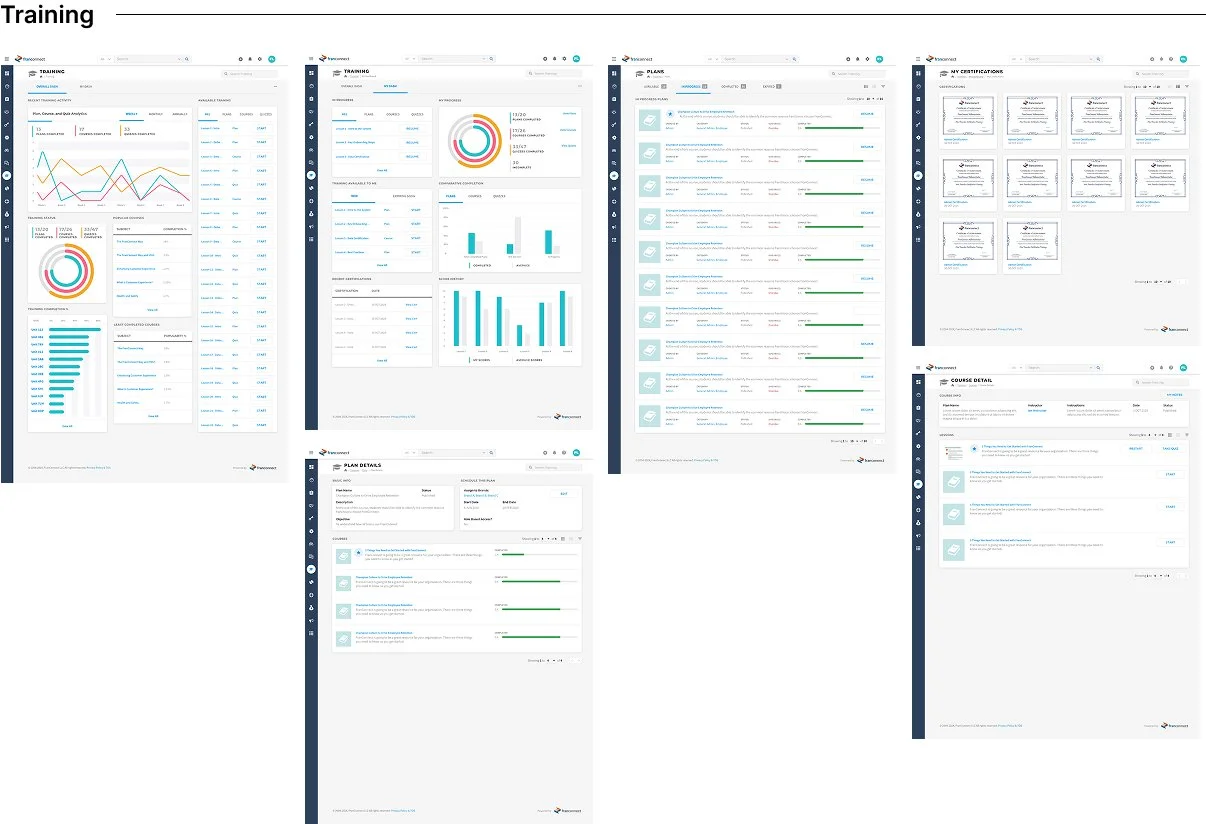
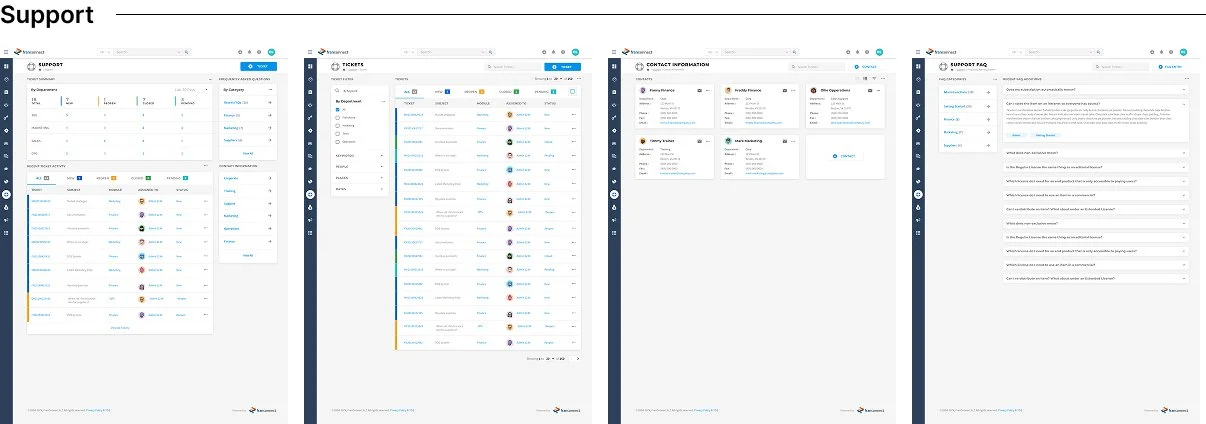
With a component library in place, 98 screens across every module and product were redesigned in the FC Design System. All of it done in a few design sprints. By one designer (me). View the live Figma file →
Execution
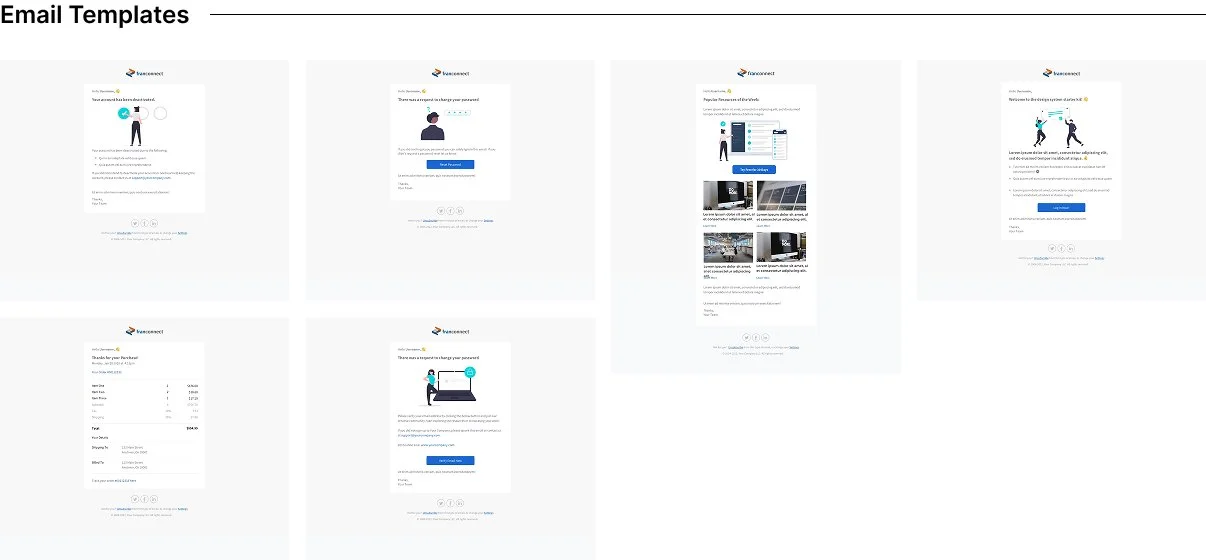
With the Figma components established, the system was ported to Storybook as a fully documented component library for engineering. 75% of the product suite has currently been migrated. Zero major regressions. Teams adopted it when they were ready, not on a mandate.

Outcome
With consistent components in place, UI conflicts dropped and releases moved from quarterly to monthly.
The real outcome wasn't the component count or the migration timeline. It was that both acquired company design teams became active contributors to the merged system rather than reluctant adopters of something imposed on them. That's the harder, less measurable win. A design system nobody believes in gets abandoned quietly. This one got built into how people work.